Shaped by Wind, Light and Time
Steam drifting across volcanic mountains in Landmannalaugar, Iceland
Field Notes from Iceland
I had wanted to visit Iceland for years.
Some journeys arrive quietly in your life long before you actually take them, and Iceland had been one of those places for me.
After a couple of difficult years, something in me simply knew it was time to go.
Partly for the landscapes.
Partly for the photography.
Partly because I desperately needed distance from everyday life.
And partly because one of my closest friends from nursing school had built a life there — in the middle of lava fields, storms and endless northern skies.
So in late September 2025, I packed my cameras, my drone and far too many warm clothes, and travelled north.
Arrival
The journey itself felt endless.
Seven hours in Copenhagen Airport is probably uncomfortable for most people.
For someone living with sensory overload and a brain injury, it felt almost surreal.
Noise layered upon noise.
Announcements. Rolling suitcases. Bright lights. Crowds moving in every direction at once.
I survived it with coffee, earplugs, noise-cancelling headphones, audiobooks and crossword puzzles.
And then the plane approached Iceland.
Suddenly everything changed.
Icelandic coastline with mountains, ocean and lava fields seen from above
The coastline appeared beneath the clouds — black lava fields stretching endlessly beside glaciers and ocean.
Raw. Empty. Ancient.
I remember thinking:
I could probably spend the rest of my life floating above this landscape like a drone.
Just watching.
Reykjavik and the Feeling of Smallness
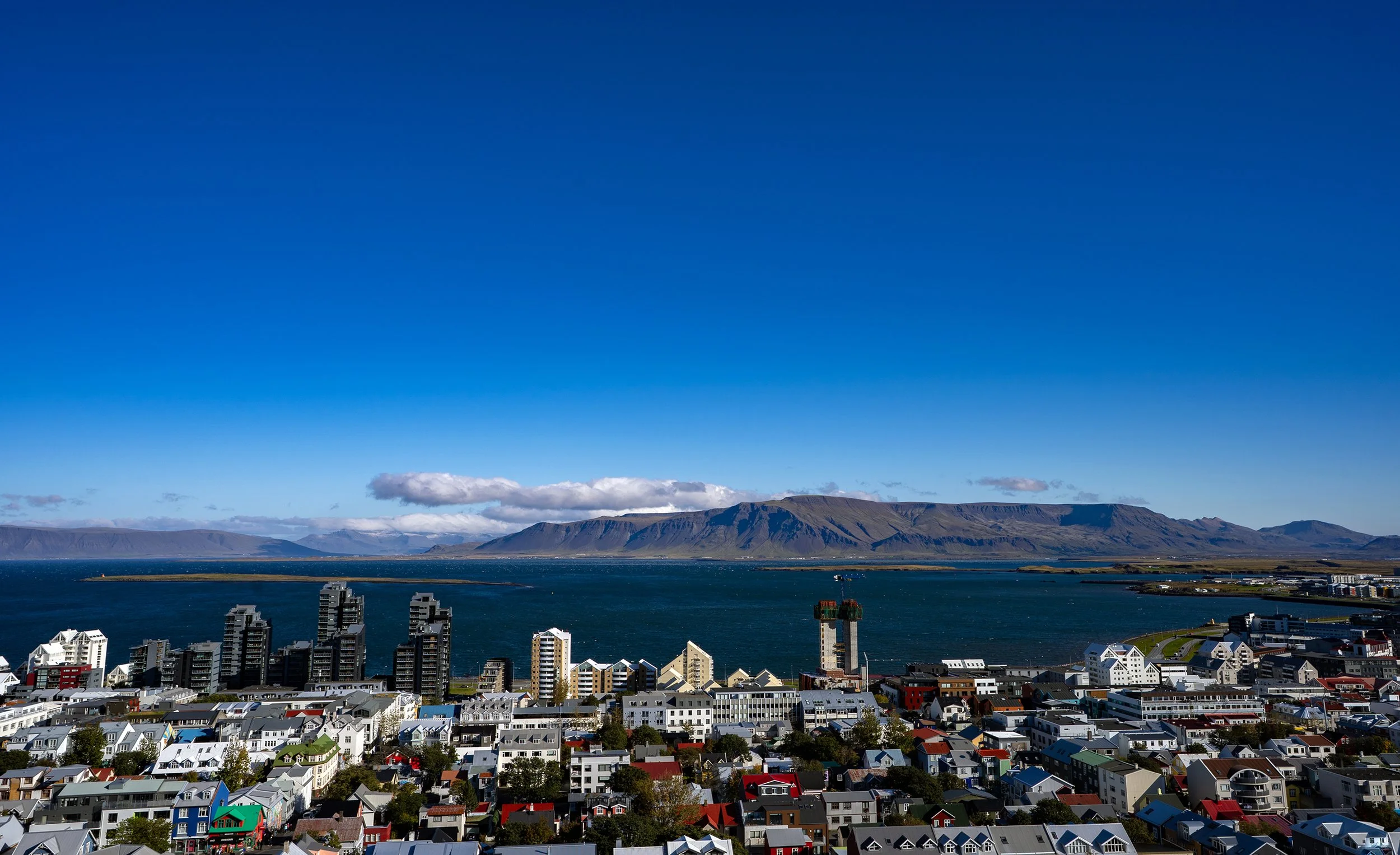
My first days in Reykjavik were quiet and gentle.
Cold air. Strong coffee. Wool sweaters everywhere.
Small colorful houses pressed together against the northern wind.
While my friend worked, another Icelandic friend helped me map out a walking route through the city. I wandered alone for hours, photographing streets, harbors and the strange soft light that seems unique to Iceland.
But even there — inside the capital — nature never feels far away.
The weather changes constantly.
Clouds move like living creatures across the sky.
Rain appears and disappears within minutes.
Iceland does not feel controlled.
And perhaps that is part of why it feels so alive.
Landmannalaugar
Where the Earth Breathes
A few days later we drove to Landmannalaugar.
The highlands felt almost unreal.
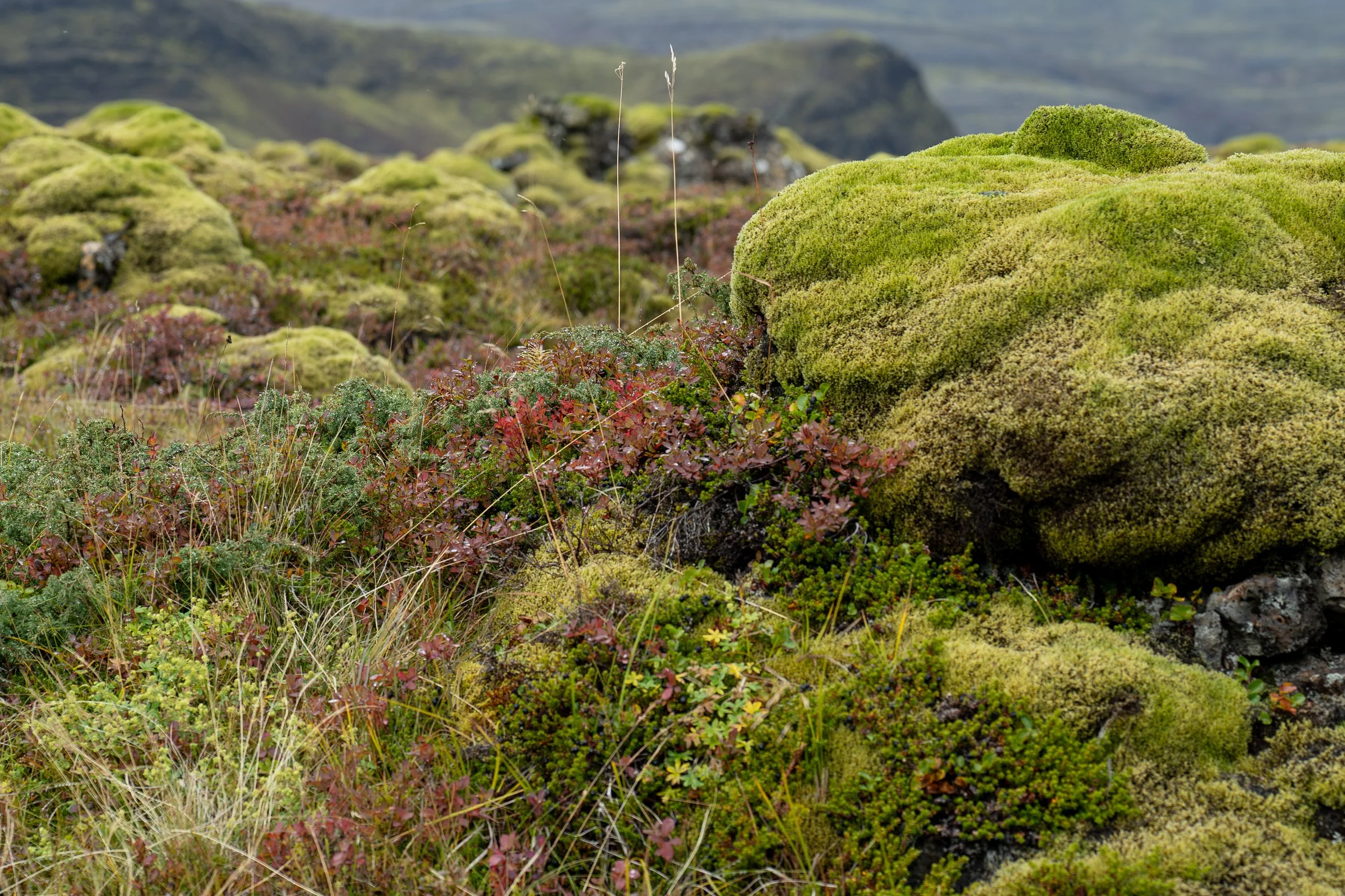
Volcanic mountains in muted reds and mossy greens. Steam rising from the ground. Sulfur hanging heavily in the cold air.
The entire landscape seemed to breathe beneath us.
Landmannalaugar sits within Iceland’s volcanic zone, where geothermal activity still shapes the earth constantly.
Hot springs, lava fields and rhyolite mountains create colors that look almost painted rather than natural.
Walking there felt less like hiking and more like visiting another planet.
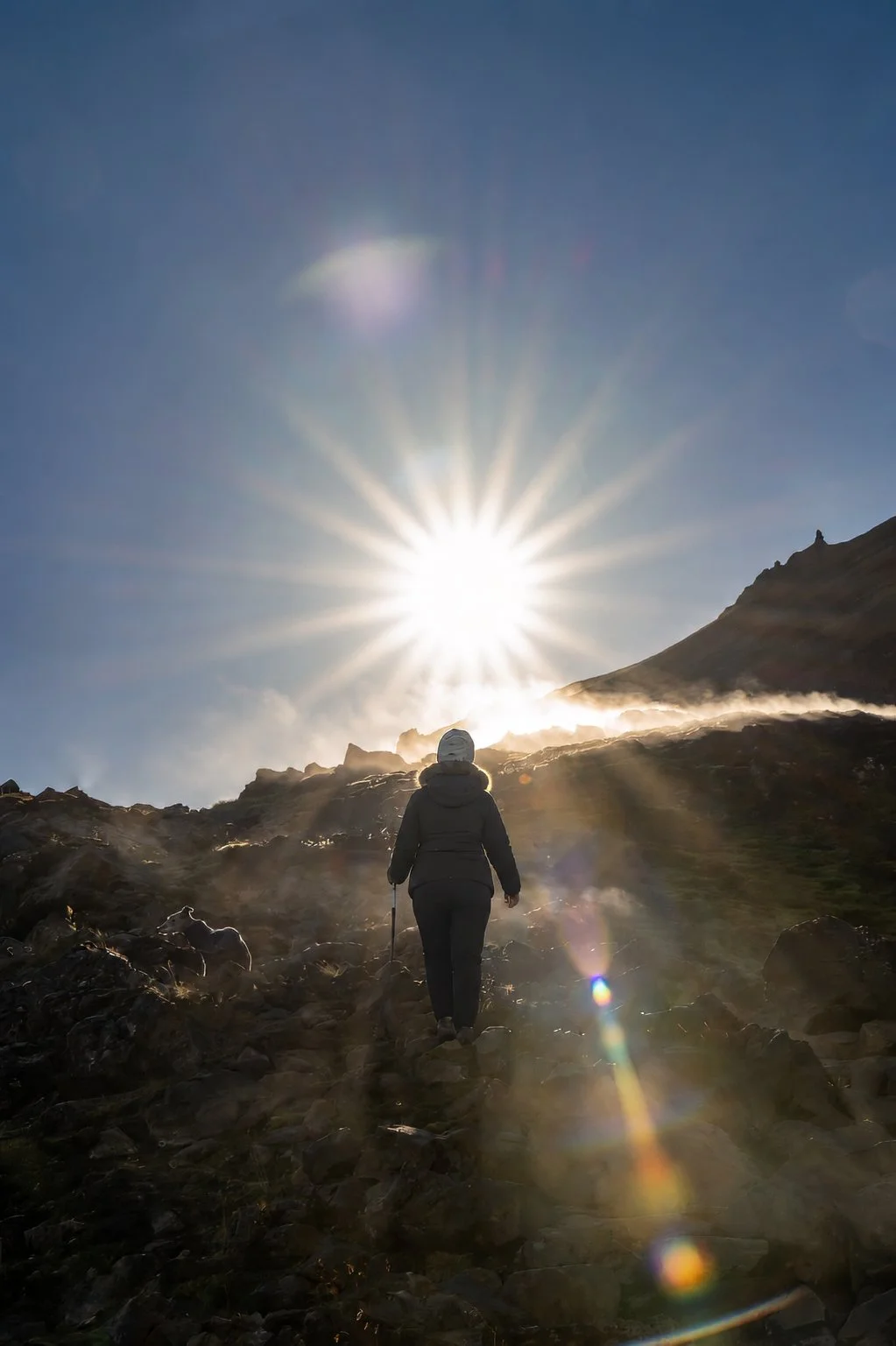
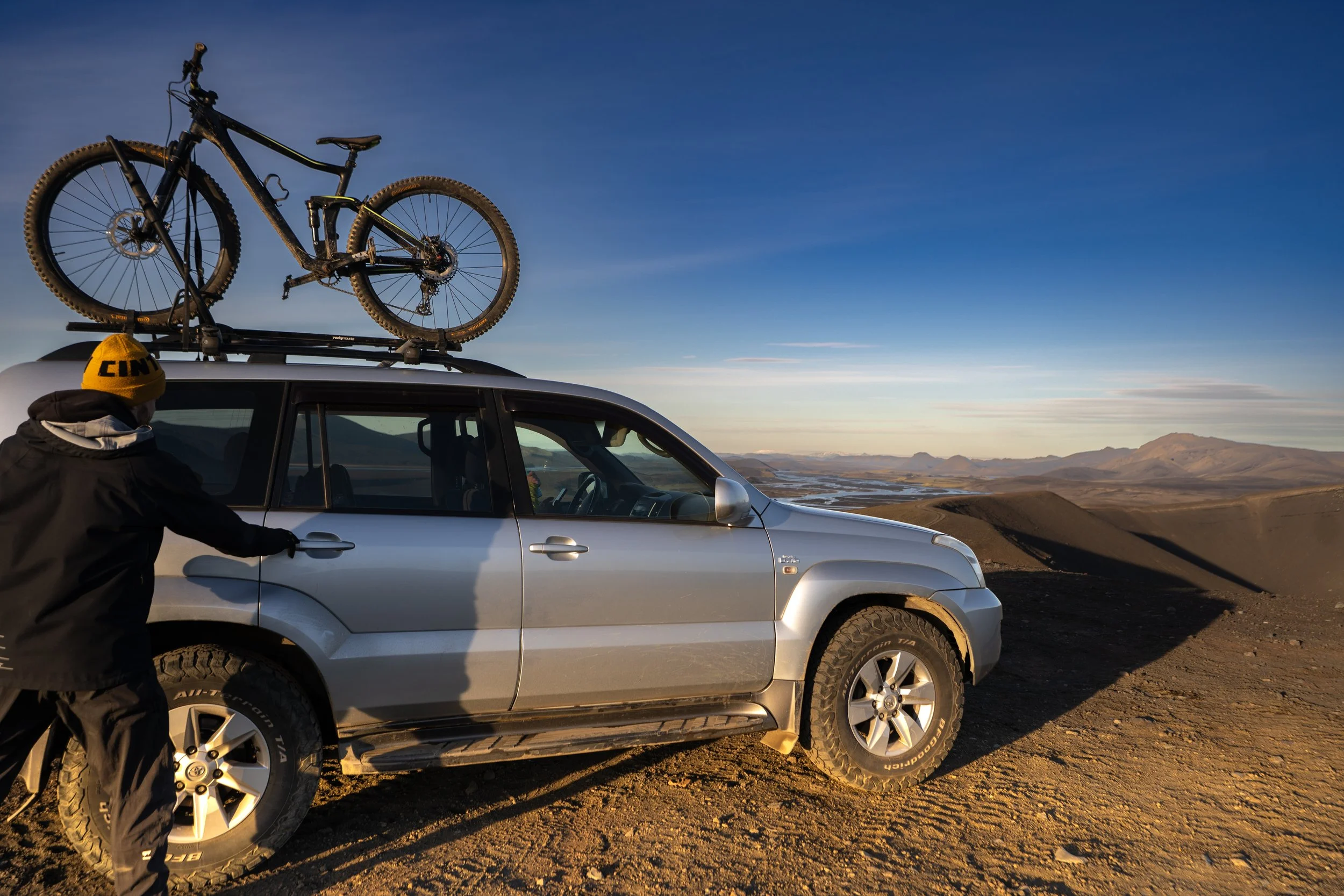
The wind was brutal.
The sulfur destroyed my lips completely.
And yet I could not stop staring.
There is something deeply humbling about standing in a landscape that clearly existed long before humans — and will continue long after us.
Between Continents
On our way north we stopped at Þingvellir National Park.
This is one of the few places in the world where you can physically walk between tectonic plates.
The North American and Eurasian continental plates slowly pull apart here, widening by a few centimeters every year. Over time the land fractures and sinks, creating dramatic fissures and valleys across the landscape.
It is also one of Iceland’s most historically important places.
Around the year 930, the Alþingi — considered one of the world’s oldest parliaments — was established here.
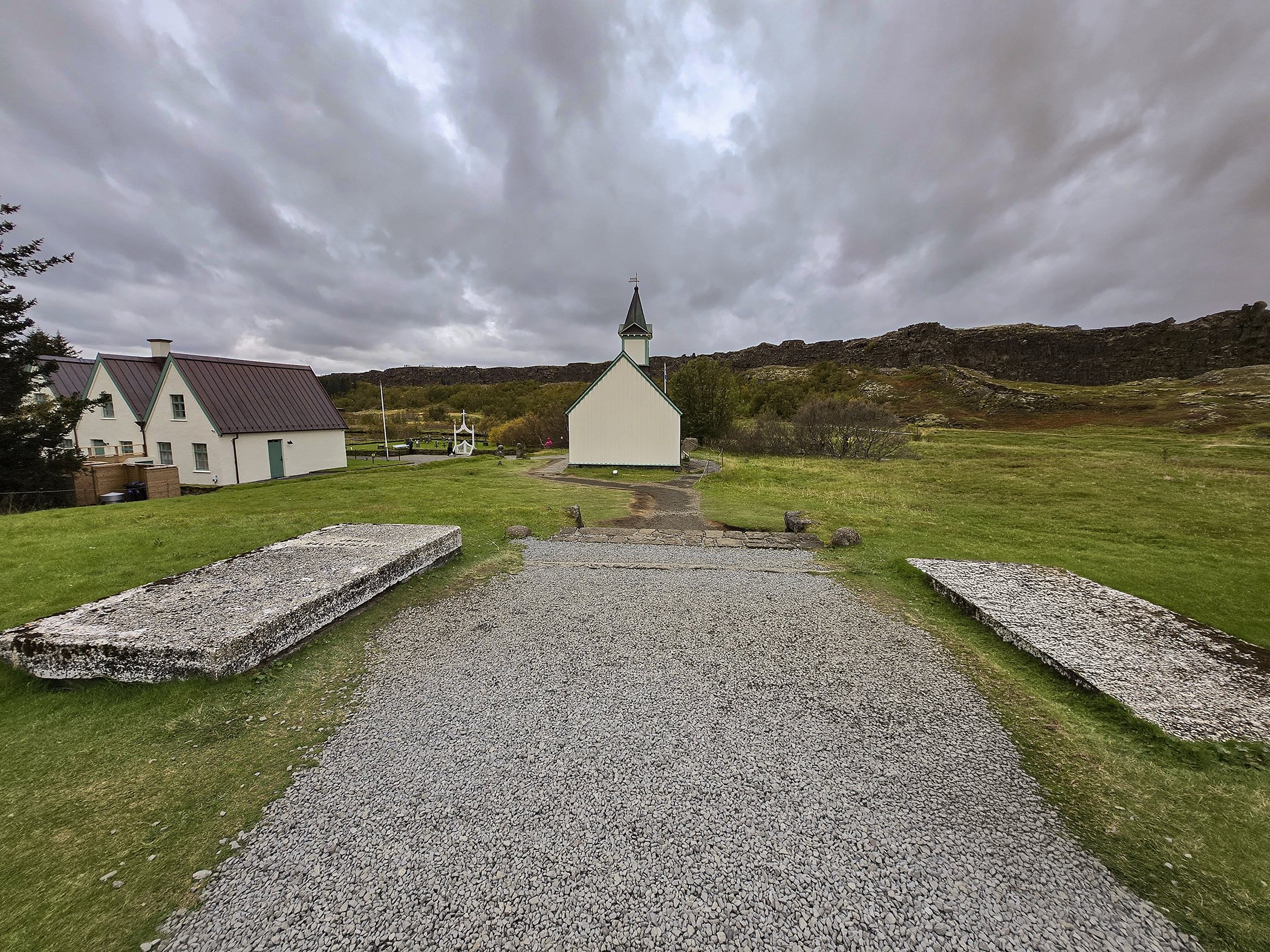
History and geology exist side by side.
Human time.
Earth time.
Standing there among crowds of tourists, surrounded by impossible beauty, I remember feeling strangely conflicted.
Grateful to witness it.
And at the same time uncomfortable being part of the machinery of tourism moving through fragile landscapes.
Fortunately Icelanders seem deeply aware of protecting their nature.
Boardwalks and marked trails guide visitors carefully through vulnerable areas, especially around moss fields that can take decades to recover from damage.
The roads North
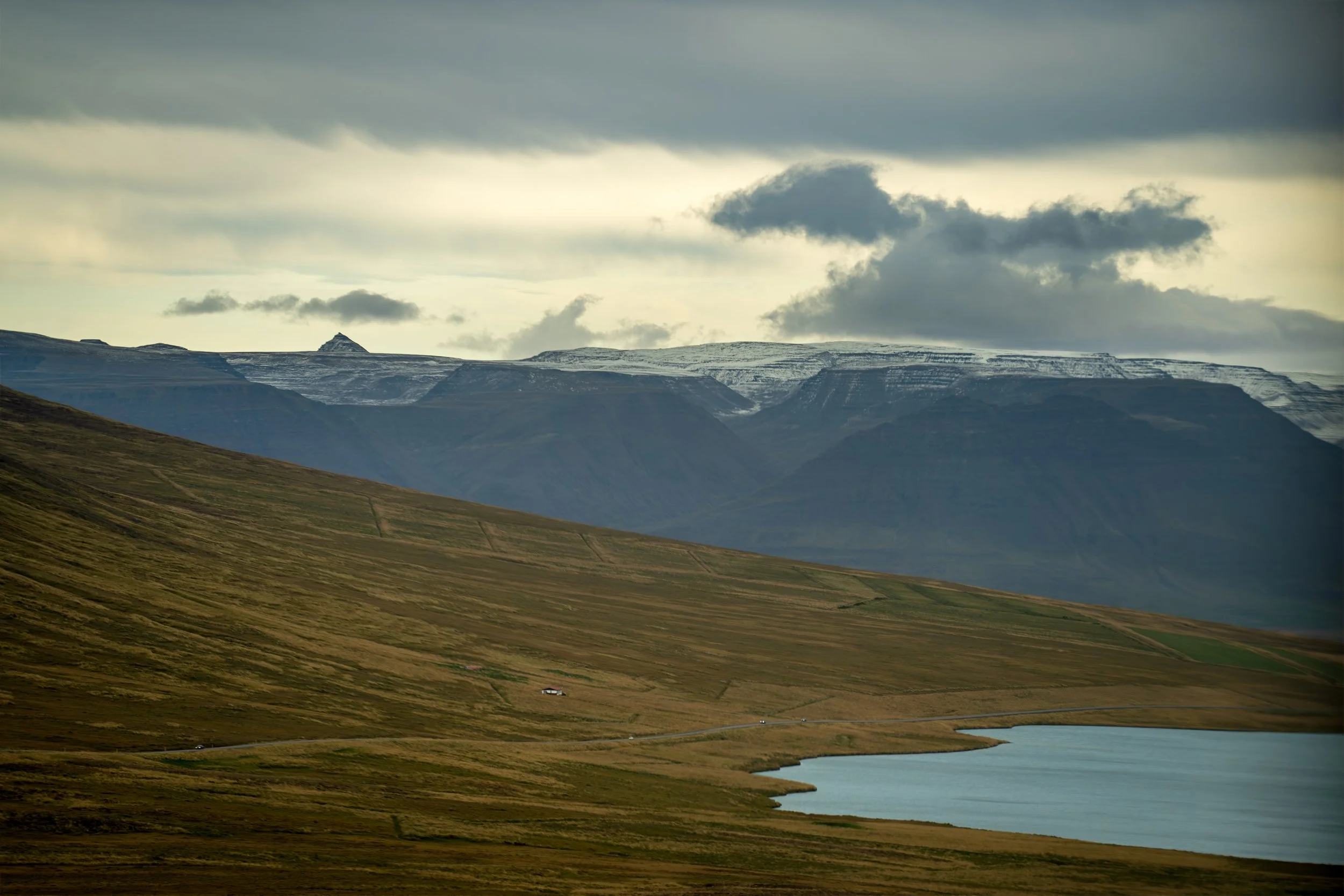
The further north we travelled, the quieter everything became.
Long roads.
Tiny settlements.
Huge skies.
At times we drove for ages without speaking much.
Not because anything was wrong.
But because silence somehow felt more natural there.
One afternoon we stayed at a remote family cabin surrounded by rivers, lava fields and autumn colors.
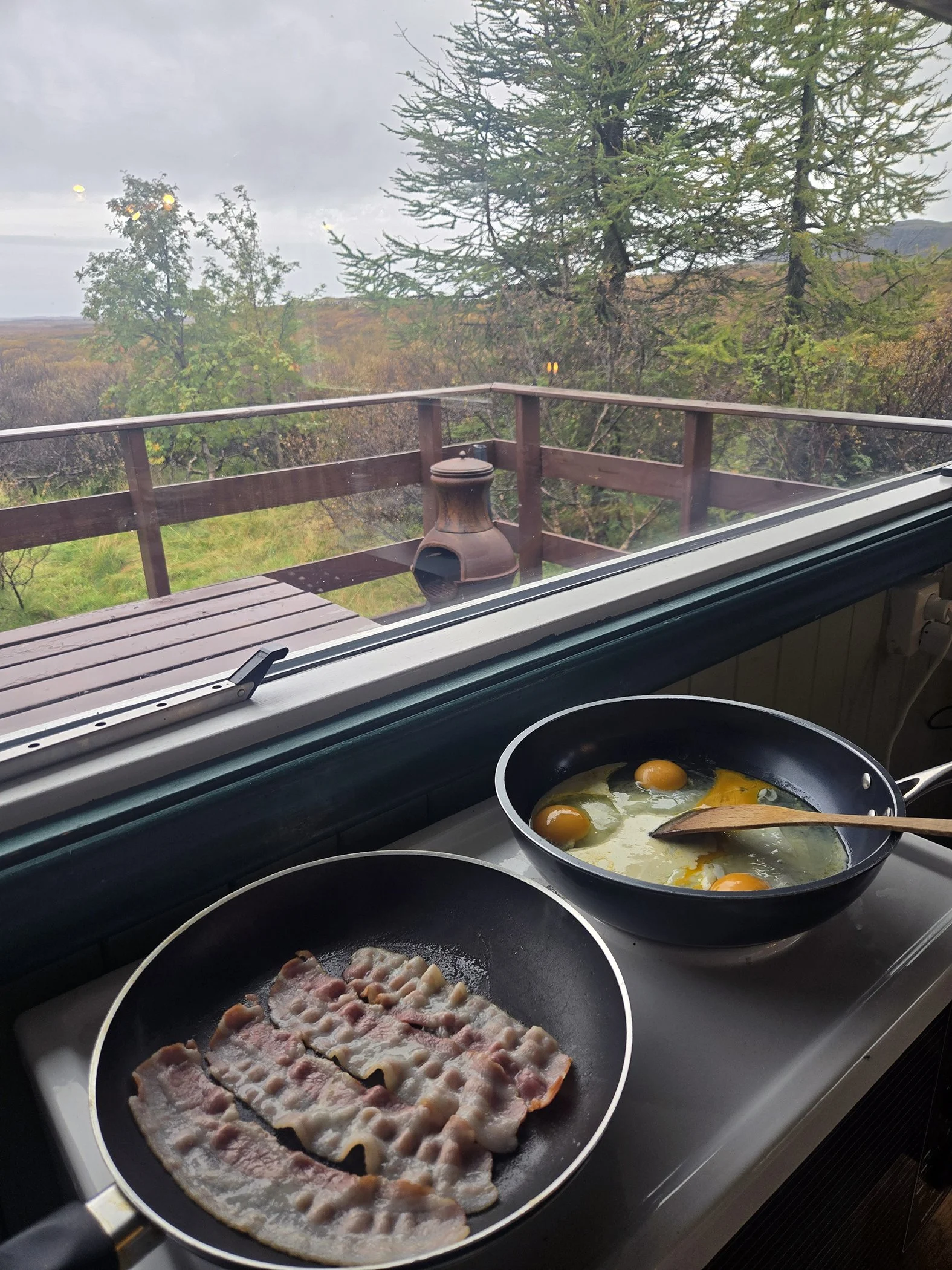
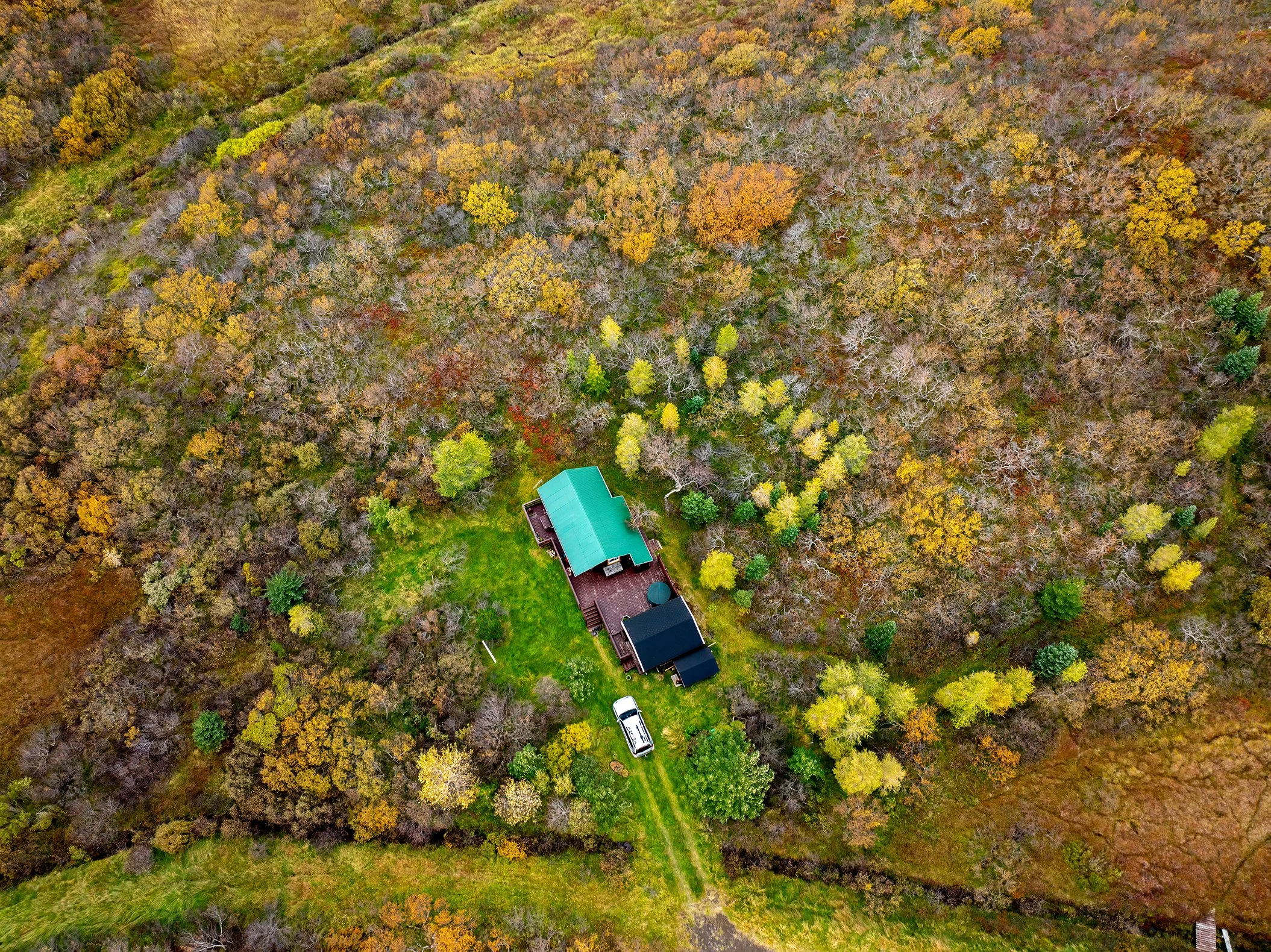
The land around the cabin stretched endlessly.
More than a thousand hectares of wilderness connected to one family through generations.
We drove slowly through the landscape while my friend casually answered “yes” every time I asked:
“Is this still your land?”
It felt absurd to someone from Denmark.
That evening I finally flew my drone properly for the first time in a truly wild landscape.
I had barely practiced at home and still felt nervous every time it lifted into the air.
But slowly the fear gave way to fascination.
Seeing Iceland from above changes your understanding of scale completely.
River cutting through volcanic landscape seen from above in Iceland
Rivers carve through black volcanic earth like veins.
Moss grows across old lava fields in endless textures.
Tiny roads disappear into enormous empty spaces.
Fire Beneath the Surface
Further north near Lake Mývatn, the earth became even stranger.
At Grjótagjá, a lava cave hides a geothermal spring beneath the rocks.
The water glows an impossible blue.
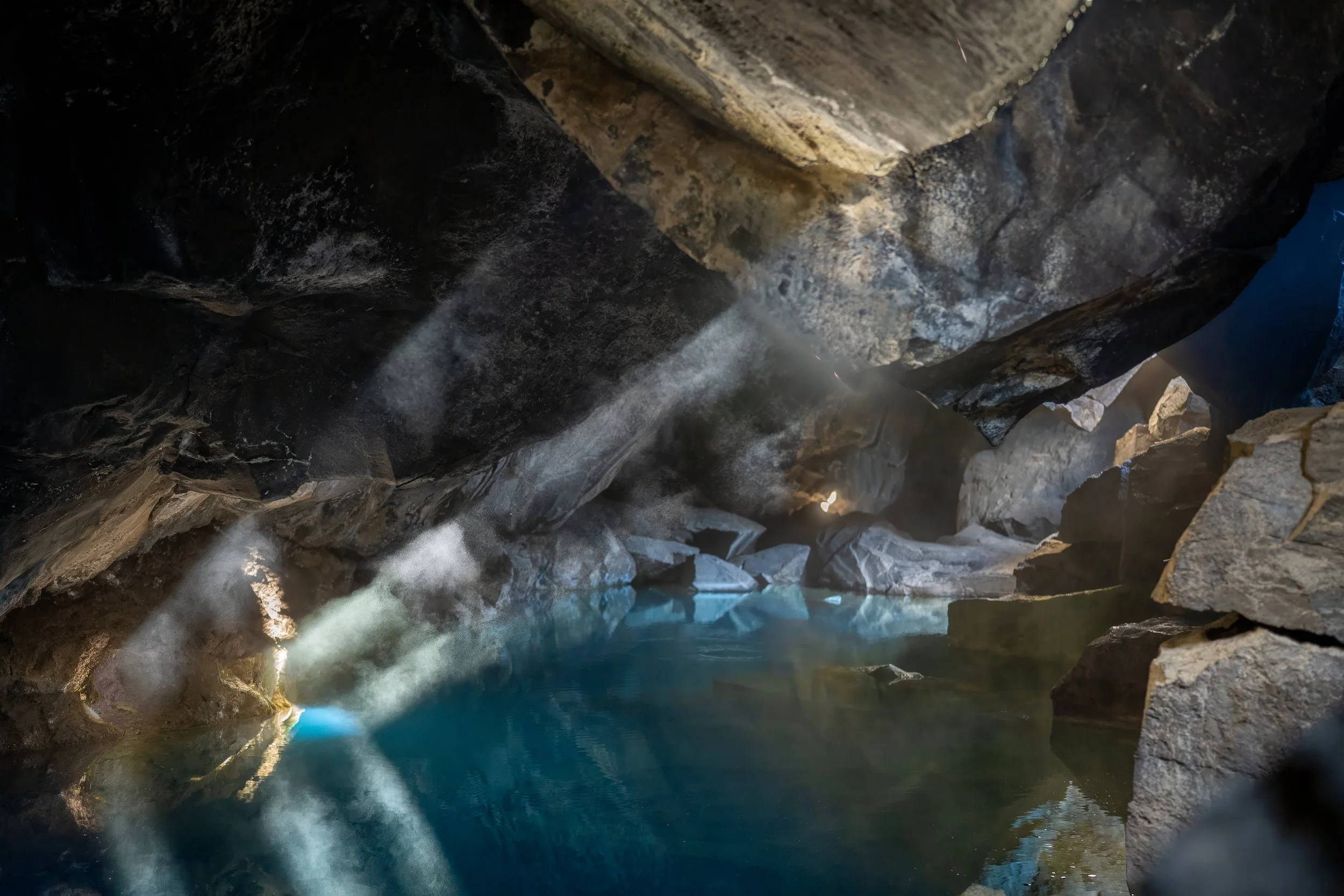
The cave formed during volcanic eruptions centuries ago and sits directly along the Mid-Atlantic Ridge, where the continental plates continue to separate beneath Iceland.
Nearby, at Hverir, the landscape looked almost hostile.
Boiling mud pools.
Steam vents.
Bright sulfur crystals.
The smell of hydrogen sulfide thick in the air.
The geothermal field is part of the Krafla volcanic system — one of the most active volcanic regions in Iceland.
NASA has even used similar Icelandic geothermal areas to prepare astronauts for navigating the terrain of Mars.
Standing there, it was easy to understand why.
Nothing about it felt earthly.
Waterfalls and Fear of Heights
We visited several waterfalls during the journey north.
Dettifoss — Europe’s most powerful waterfall — felt almost violent.
Water from Vatnajökull glacier crashes through the canyon with such force that the ground vibrates beneath your feet.
But strangely, the smaller and lesser-known Hafragilsfoss affected me more deeply.
There were barely any people there.
Just wind.
Dark cliffs.
Rushing water.
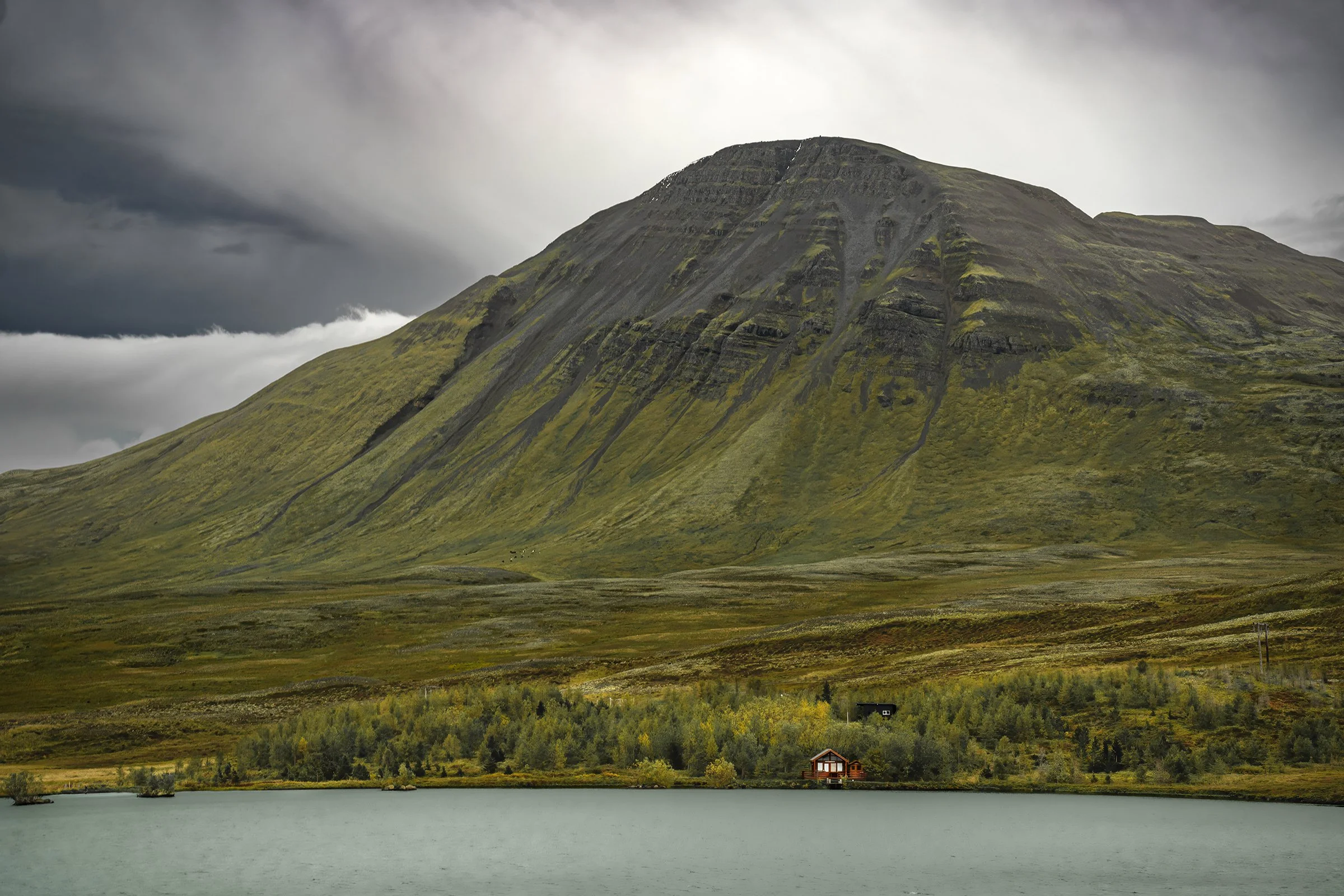
At one point we followed what turned out to be a very questionable trail along the canyon edge.
My friend walked far too comfortably near the cliffs while I stayed considerably further back, emotionally attached to a large rock for safety.
The landscape in Iceland constantly balances beauty and danger.
And maybe that tension is exactly what makes it unforgettable.
Northern Light
One evening near Húsavík, I had already changed into night clothes when I suddenly remembered the aurora forecast.
“Wait… what about the northern lights?”
My Icelandic friend looked mildly unimpressed.
“Yes… there’s a little bit.”
A little bit.
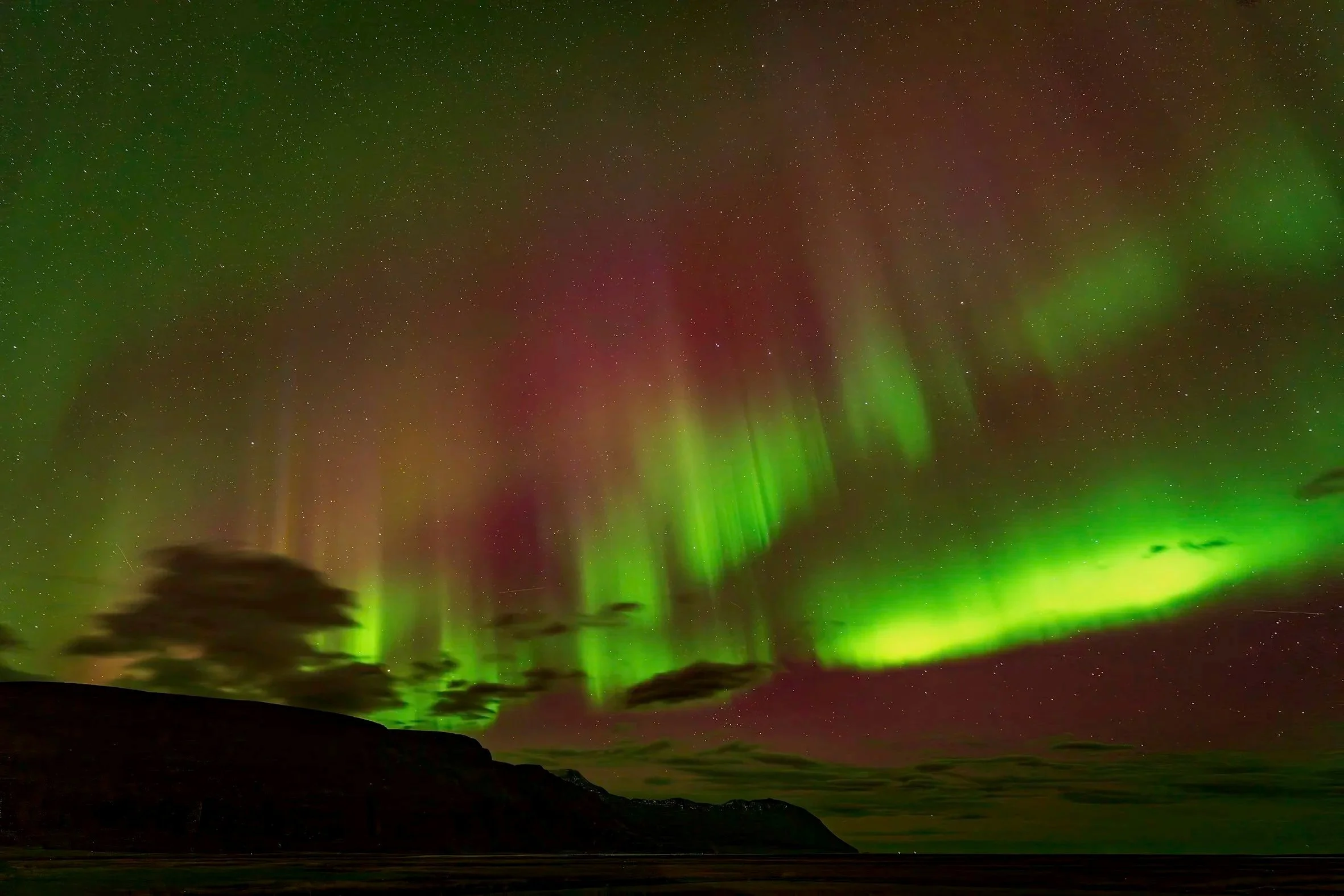
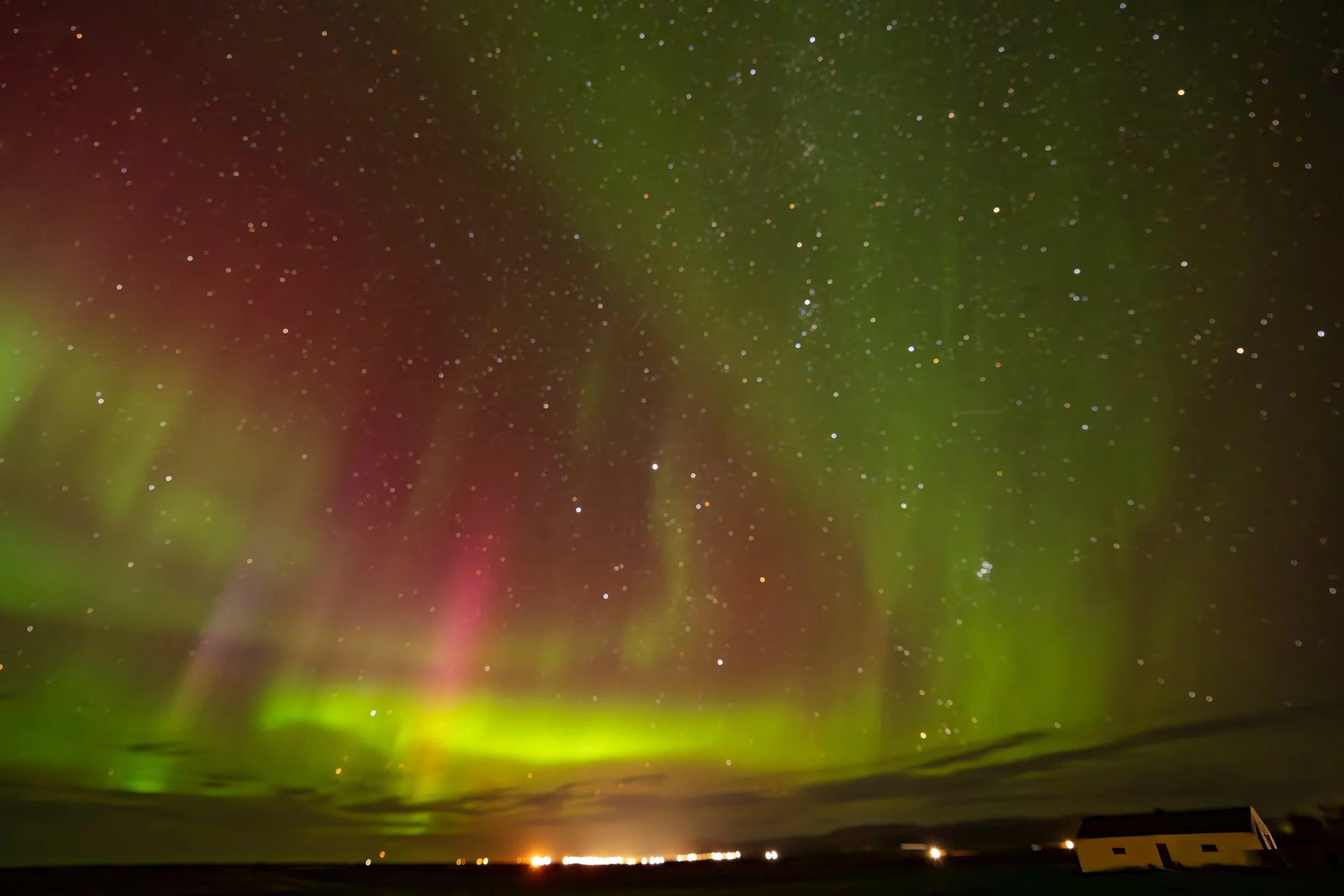
Outside the sky was alive.
Green light moved slowly above the mountains while stars filled the darkness overhead.
I had never seen aurora with my own eyes before.
My tripod had broken earlier in the trip, so I borrowed an unstable old one and stood behind the house photographing the sky for hours while freezing slowly through my pajama pants.
At one point I asked:
“How long does this usually last?”
“Until morning,” she answered casually.
I finally went inside after two hours when my fingers stopped functioning properly.
The Silence Inside the Hide
Some of the strongest moments from the journey were not dramatic at all.
Not waterfalls.
Not volcanoes.
Not northern lights.
Just silence.
Sitting alone in wildlife hides deep in the wilderness changes something in your thoughts.
When there were no animals outside, there was finally space inside my own head.
No notifications.
No expectations.
No constant noise.
Only forest.
Wind.
Water.
Waiting.
I think that is part of why nature photography matters so much to me.
It is not only about photographing animals or landscapes.
Sometimes it is also about meeting yourself again.
Returning Home
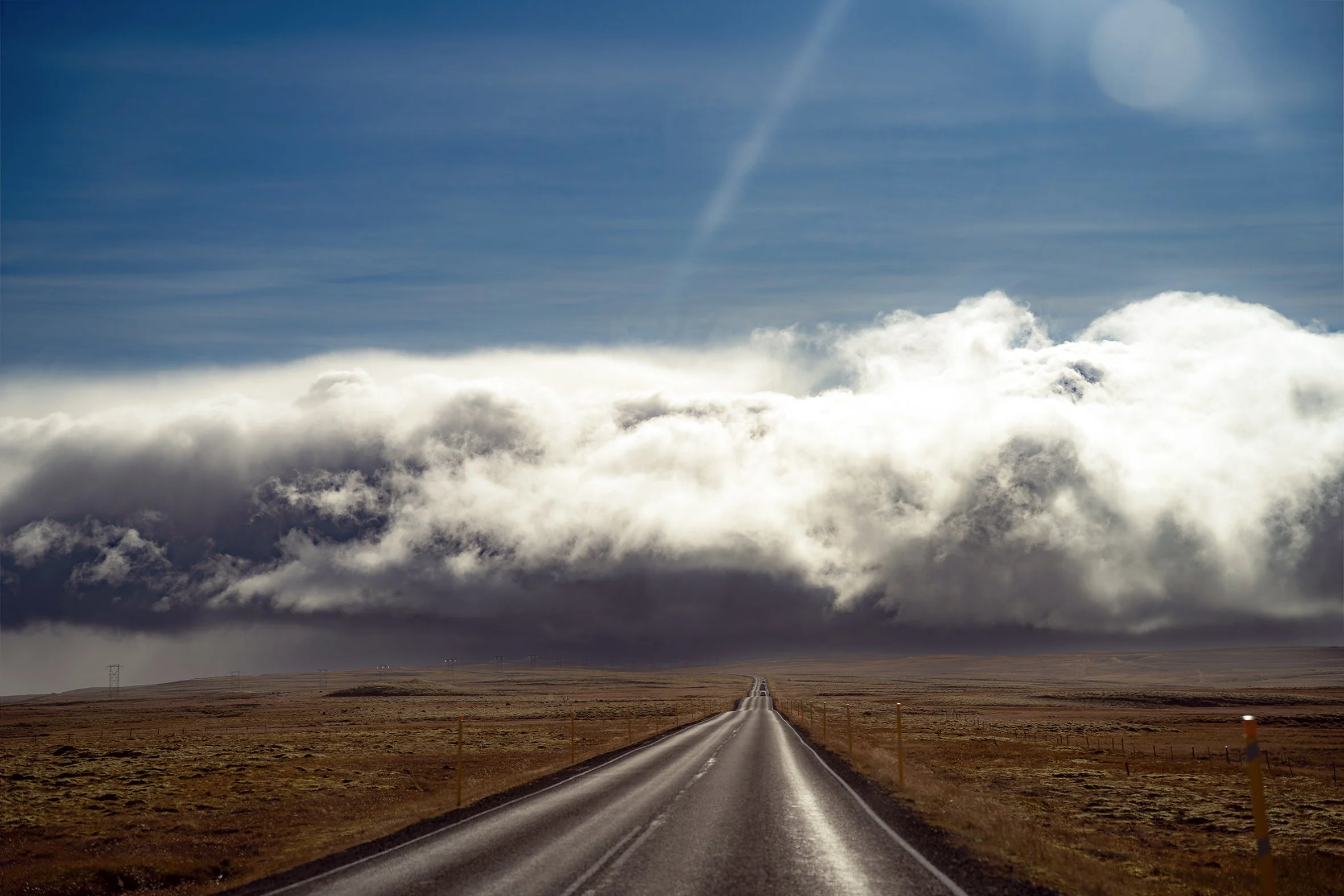
The final drive back to Reykjavik happened through storms, mountains and endless rain.
At one point I worried briefly whether our flight home would even happen.
Storm warnings and airport disruptions had already started affecting travel.
But eventually I made it home safely.
At almost five in the morning, I walked through my front door in Denmark carrying memory cards full of photographs, dirty clothes and a mind that still felt partly lost somewhere in Icelandic wilderness.
Some journeys entertain you.
Others rearrange something quietly inside you.
I think Iceland did that to me.
And perhaps part of me is still standing somewhere out there beneath the northern sky — listening to the wind move across lava fields in the dark.